Why Every Business Owner Should Stay on Top of Commercial Property Maintenance
A small leak, a cracked walkway, or a flickering exterior light can feel easy to put off. The problem is that commercial properties rarely fail all at once. They wear down in small ways first, then those small issues turn into tenant complaints, safety risks, lost business, and expensive repairs.
For business owners, property maintenance is not just a facilities task. It protects revenue, reputation, employees, customers, tenants, and long-term property value. A well-kept property sends a clear message: the business is stable, responsible, and ready for people to walk through the door.

Maintenance protects the value of the property
A commercial property is one of the largest assets many business owners hold. Like any major asset, it needs regular care to keep its value. Roofs age, parking lots crack, paint fades, HVAC systems wear down, and drainage systems clog. Ignoring those items does not freeze them in place. It usually makes them worse.
Routine maintenance helps preserve value in three ways.
It slows deterioration.
A roof inspection after a heavy storm may catch loose flashing before water enters the building. Sealing small pavement cracks can keep water from spreading under the surface and breaking up the lot. Replacing worn door hardware can prevent security issues later.
It supports better resale or leasing potential.
Buyers and tenants notice deferred maintenance. If they see water stains, damaged sidewalks, stained ceiling tiles, or patched surfaces, they may assume deeper problems exist. Even if the building is sound, visible neglect can weaken confidence.
It gives owners more control over repair costs.
Planned maintenance allows a business to budget, compare vendors, schedule work during slower hours, and avoid emergency pricing. Emergency work often comes with added stress and fewer options.
A Commercial Building that receives steady upkeep is easier to insure, easier to lease, and easier to operate. That does not mean every surface must look new. It means the property should look cared for, safe, and functional.
Small problems become expensive when they are ignored
Deferring maintenance can feel like saving money. In reality, it often shifts costs into the future, where they tend to be higher.
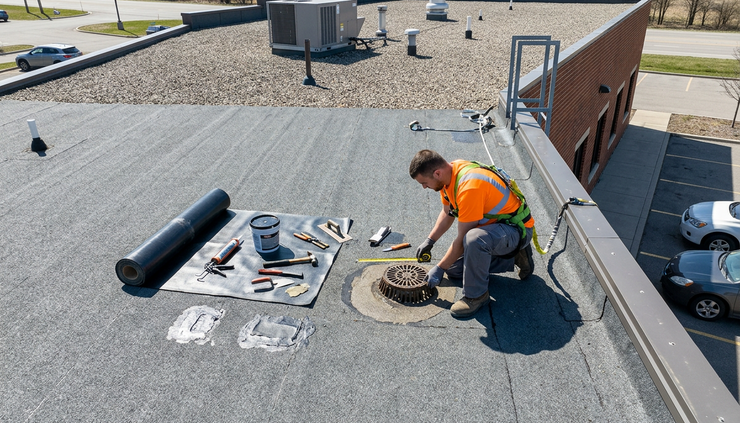
Water is a good example. A minor roof leak may start as a stain on a ceiling tile. If no one investigates, that moisture can reach insulation, drywall, electrical components, or flooring. What began as a roof repair can turn into interior restoration, mold remediation, business interruption, and tenant frustration.
The same pattern can happen across the property:
Maintenance issue | If addressed early | If ignored too long |
Small roof leak | Seal, patch, or replace damaged flashing | Interior water damage and larger roof work |
Cracked sidewalk | Grind, patch, or replace a small section | Trip hazard, liability concern, larger concrete repair |
Poor drainage | Clear gutters, drains, and downspouts | Foundation concerns, erosion, standing water |
Worn HVAC parts | Replace belts, filters, or components | System failure during peak heat or cold |
Dim exterior lighting | Replace bulbs or fixtures | Security concerns and poor customer experience |
The most expensive maintenance problem is often the one that was visible months earlier. Business owners do not need to inspect every bolt and pipe personally, but they do need a system that makes early signs hard to miss.
A maintained property creates a safer environment
Safety is one of the strongest reasons to stay ahead of maintenance. Customers, employees, vendors, tenants, and delivery drivers all interact with the property in different ways. Each person expects the space to be reasonably safe.
Common safety-related maintenance areas include:
Parking lot potholes and uneven pavement
Poor lighting near entrances, walkways, parking areas, and loading zones
Loose handrails or damaged steps
Wet spots from plumbing leaks or drainage problems
Damaged doors, locks, or gates
Fire exits blocked by storage or debris
Faulty electrical outlets or exposed wiring
Slippery flooring near entrances
A safe property does not happen by accident. It comes from inspections, documentation, quick response times, and a clear process for reporting problems.
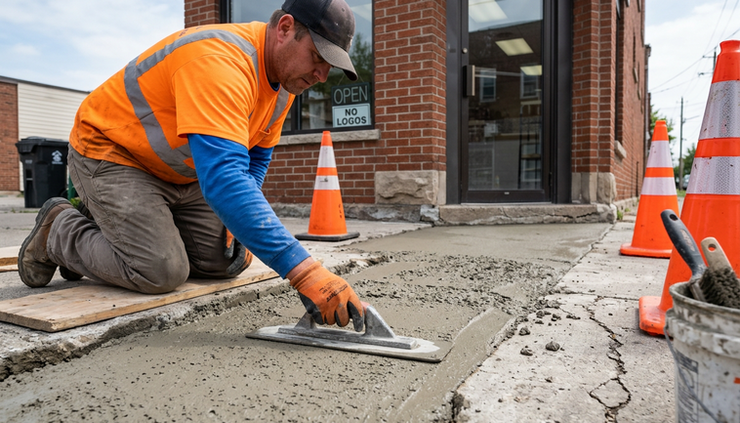
This matters even more for properties with steady foot traffic, such as retail centers, medical buildings, restaurants, warehouses, and mixed-use spaces. A loose tile or uneven curb may seem minor until someone trips over it.
Good maintenance also helps show that the owner took reasonable care of the property. If an incident occurs, records of inspections, repairs, and vendor work can help explain what was done and when. Documentation does not replace good maintenance, but it supports it.
Curb appeal affects trust before anyone walks inside
People judge a property before they enter it. They notice the parking lot, lighting, landscaping, signage areas, windows, doors, paint, and overall cleanliness. Those details influence whether they feel comfortable stopping, shopping, renting, or returning.
For an owner-occupied property, curb appeal supports the business brand without needing to say a word. For an investment property, it helps attract and retain tenants. For a multi-tenant center, it can affect the success of every business on site.
Signs of neglect send the wrong message:
Weeds growing through pavement
Overflowing trash areas
Peeling paint
Dirty windows
Broken exterior lights
Rusted railings or damaged fencing
Stained walls or awnings
Poor drainage after rain
By contrast, a property that looks clean and maintained feels easier to trust. Customers feel safer. Tenants feel supported. Employees feel better about where they work.
This does not require luxury finishes. A simple, practical plan can keep a property looking professional. Pressure wash walkways on a schedule. Trim landscaping before it blocks signs or walkways. Repaint high-wear surfaces when they begin to look worn. Repair damaged curbs and wheel stops before they create a rough first impression.
Building systems need attention before they fail
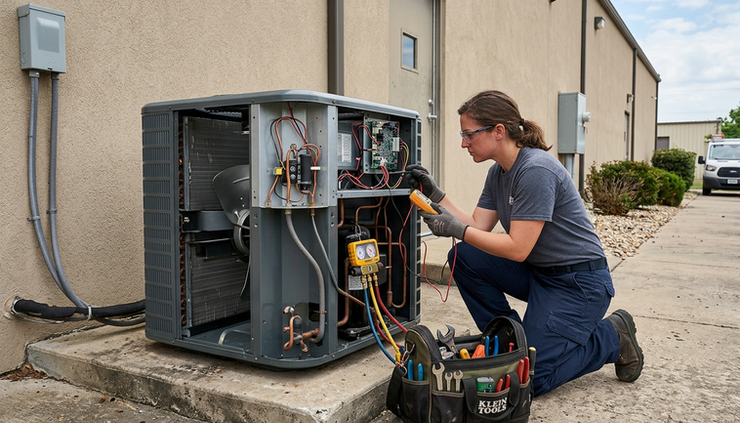
The parts of a property that customers do not see often create the biggest disruptions. HVAC, plumbing, electrical, roofing, fire protection systems, drainage, and access control all need periodic checks.
When these systems fail, the business may lose more than the cost of repair. A broken air conditioner can drive away customers on a hot day. A plumbing backup can close restrooms and interrupt operations. An electrical issue can shut down equipment, lighting, refrigeration, or point-of-sale systems.
The goal is not to prevent every possible problem. No system lasts forever. The goal is to reduce surprise failures and catch warning signs early.
A useful maintenance rhythm may include:
Monthly checks
Walk the property and look for visible damage, leaks, lighting issues, clogged drains, graffiti, trash buildup, and safety concerns.
Seasonal checks
Inspect HVAC performance, gutters, downspouts, landscaping, storm drainage, roof surfaces, exterior paint, and weather seals.
Annual checks
Review roofing, electrical panels, fire safety equipment, parking areas, building envelope, plumbing systems, and any major mechanical equipment.
Properties in different regions need different priorities. In Houston and other warm, storm-prone areas, drainage, roof condition, HVAC performance, humidity control, and exterior sealing often deserve close attention. In colder regions, snow removal planning, freeze protection, and pavement damage from ice may take priority.
Maintenance helps control operating costs
Unexpected repairs can strain cash flow. They can also force rushed decisions. When something breaks during business hours, the focus shifts from finding the best long-term fix to getting the property working again as fast as possible.
Planned maintenance makes costs more predictable. It allows owners to group non-urgent repairs, schedule work during off-hours, and focus spending on the highest-risk items first.
A basic maintenance budget should account for:
Routine inspections
Cleaning and exterior care
Landscaping and drainage
HVAC service
Roof and gutter work
Plumbing and electrical repairs
Parking lot and walkway maintenance
Fire and life safety checks
Emergency reserve funds
Many owners make the mistake of budgeting only for known repairs. A better approach includes a reserve for unknowns. Buildings age even when they are quiet. Equipment wears down even when it works today.
Reliable Repair Services can also help identify whether a problem needs immediate attention or can be planned for a slower season. That outside perspective can prevent overspending on cosmetic items while critical systems go unchecked.
For owner-occupied properties, employees notice maintenance too. Poor lighting, broken fixtures, uncomfortable temperatures, and unsafe walkways affect morale and productivity. People work better in spaces that feel cared for.
A maintenance system does not need to be complicated. It can start with a shared log that tracks:
Item | Why it matters |
Date reported | Shows how long the issue has been open |
Location | Helps vendors find the problem quickly |
Photos | Creates a clear record of damage or progress |
Priority level | Separates urgent safety risks from routine work |
Assigned vendor or staff member | Makes responsibility clear |
Completion date | Confirms the issue was handled |
The best system is the one that people actually use.
A practical maintenance plan keeps work from piling up
A commercial property maintenance plan should be simple enough to follow and specific enough to be useful. The plan should answer what gets checked, how often it gets checked, who checks it, and what happens when someone finds a problem.
Start with a full property walk-through. Look at the site from the outside in:
Parking lot, sidewalks, curbs, ramps, and loading areas
Landscaping, drainage, gutters, and exterior lighting
Doors, windows, walls, paint, awnings, and signage areas
Roof access points, roof surfaces, flashing, and visible penetrations
Restrooms, plumbing fixtures, utility areas, and common areas
HVAC equipment, electrical panels, fire safety systems, and security features
Take photos and rank issues by urgency.
High priority
Safety hazards, water intrusion, electrical concerns, security issues, fire safety problems, and anything that could interrupt business operations.
Medium priority
Repairs that affect comfort, appearance, or tenant satisfaction but do not create immediate danger.
Low priority
Cosmetic updates, future improvements, and items to bundle with later projects.
After that, build a recurring schedule. Assign responsibility. Keep records. Review the plan at least once a year, especially after major storms, tenant turnover, renovations, or changes in business operations.
Waiting usually costs more than staying ready
Commercial property maintenance is easy to postpone because it competes with daily business demands. Sales, staffing, customers, inventory, tenant needs, and operations all feel more urgent. Still, the property is the stage for all of that work. When it fails, everything else becomes harder.
The smartest approach is steady, boring, and consistent. Walk the property. Fix small issues early. Keep records. Schedule preventive service. Set aside funds. Communicate with tenants and staff. Treat the property as an active part of the business, not a background expense.
A well-maintained property protects people, supports revenue, and preserves long-term value. For a business owner, that is not just good upkeep. It is good business.

Comments